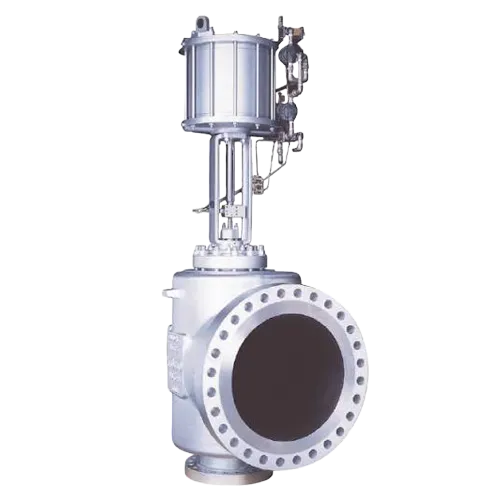
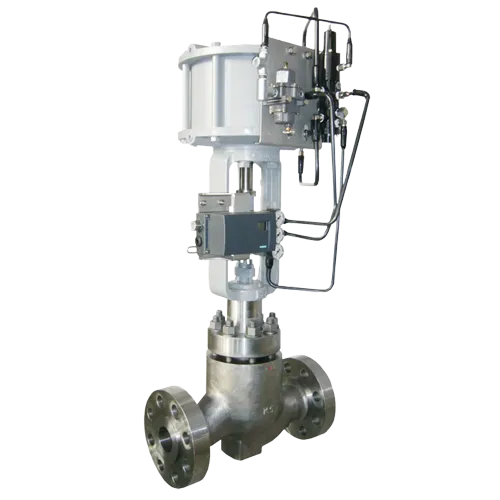
KOSO VECTOR™ valves utilize a labyrinthine multi-stage TRIM, designed to control fluid velocity along the entire internal valve path. Unlike conventional trims, where much of the energy dissipation occurs at a single point, VECTOR™ technology gradually distributes the pressure drop over several stages, reducing fluid velocity and promoting progressive control of flow energy.
This approach allows you to act on the cause of the problems, and not just on their effects. Instead of simply resisting the damage caused by cavitation, flashing, erosion, vibration and noise, VECTOR™ technology was developed to prevent these phenomena from forming or reaching levels capable of compromising the integrity of the valve and the system. The unique labyrinthine path, composed of multiple channels and successive changes of direction, dissipates the energy of the fluid in a controlled manner, protecting the internal components and significantly increasing their useful life.
Designed for severe applications, TRIM VECTOR™ offers high performance in processes with high temperatures, large pressure differentials and high energy fluids. Available in different configurations of flow characteristics and high rangeability, it allows the valve to be adapted to the specific conditions of each application, providing greater operational stability, reliability and process availability.